
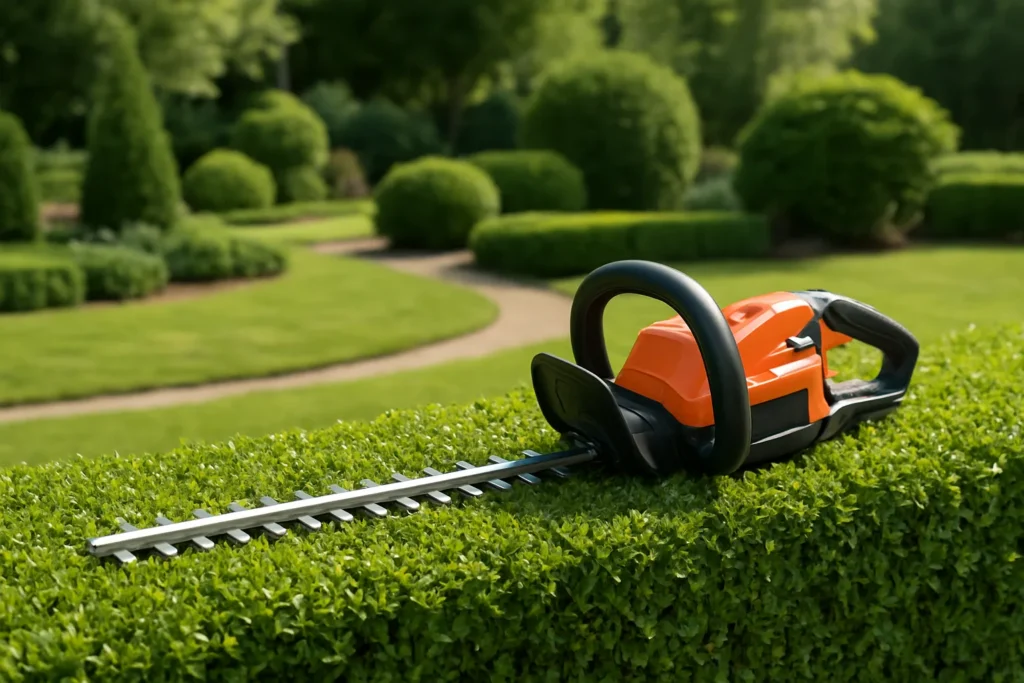
Choosing the Best Hedge Trimmer for Your Landscaping Business
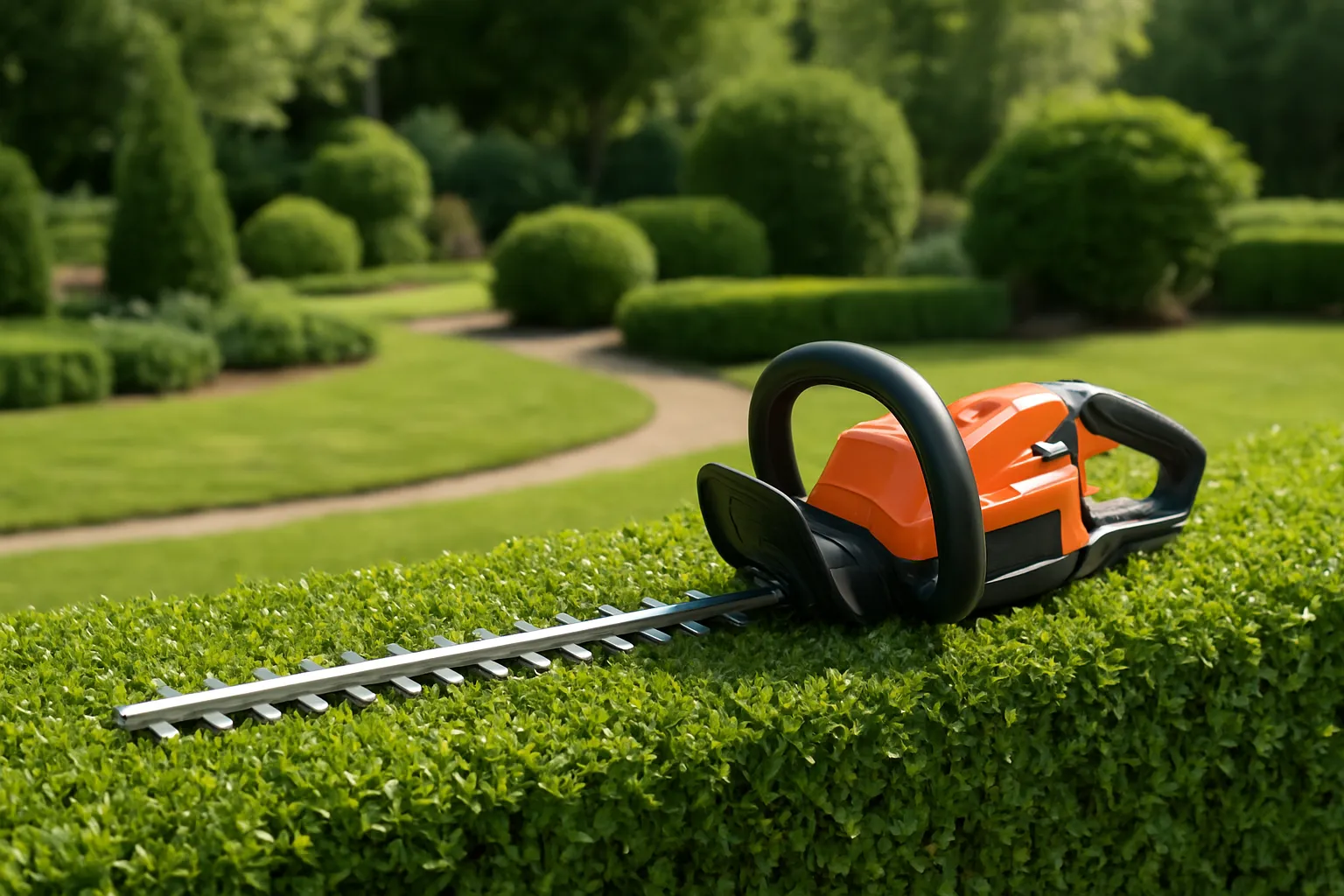
When it comes to running a successful landscaping business, having the right tools is essential. Among these, a hedge trimmer stands out as a critical piece of professional gardening equipment. The right hedge trimmer can enhance efficiency, improve the quality of your work, and ultimately lead to increased customer satisfaction. With a wide variety of options available on the market, selecting the best hedge trimmer is crucial for achieving optimal results in your landscaping business.
Key Specifications to Consider
When evaluating hedge trimmers, several key specifications should guide your decision-making process:
- Blade Length and Type: The length and type of the blade directly affect the versatility and effectiveness of the hedge trimmer. Longer blades are ideal for larger hedges, while shorter blades offer precision for detailed work. Additionally, consider whether you need dual-action blades for smoother cuts or single-action blades for faster trimming.
- Power Source Options: Hedge trimmers come in various power sources, including electric, gas-powered, and battery-operated models. Electric trimmers are quieter and easier to maintain, while gas-powered versions provide more power for heavy-duty jobs. Battery-operated trimmers offer mobility and convenience but may have limited run times.
- Weight and Ergonomics: The weight of the hedge trimmer can significantly impact your comfort during use. A lightweight model can reduce fatigue, especially during prolonged use. Ergonomically designed handles can also enhance control and comfort, making it easier to navigate around different types of hedges.
Use Cases for Hedge Trimmers
Understanding the specific use cases for hedge trimmers can help you select the right model for your business:
- Residential Landscaping: In residential settings, hedge trimmers are often used for regular maintenance of shrubs and hedges. A lightweight electric model may be sufficient for these tasks, allowing for easy maneuverability.
- Commercial Landscaping: For larger commercial properties, a robust gas-powered hedge trimmer might be necessary to handle thicker branches and extensive landscaping tasks. These models can significantly reduce time and effort.
- Specialty Trimming Needs: Some landscaping projects may require specialized trimming, such as topiary or intricate designs. In these cases, a hedge trimmer with a smaller blade and more precise control would be beneficial.
Comparing Different Hedge Trimmer Models
With numerous hedge trimmer models available, it’s important to compare and contrast their features:
- Electric vs. Gas-Powered: Electric hedge trimmers are typically lighter and quieter, making them ideal for residential use. Gas-powered models, however, offer greater power and are more suitable for commercial landscaping tasks that demand higher performance.
- Corded vs. Cordless: Corded models provide unlimited runtime, but their mobility is limited by the power cord. Cordless models allow for greater freedom of movement but may require battery management to ensure they last through a full workday.
- Brand Comparisons: Different brands offer varying levels of quality, warranty, and customer support. Researching brand reputation and user reviews can provide valuable insights into which hedge trimmers are best suited for your business needs.
Sourcing Hedge Trimmers
Finding the right supplier for hedge trimmers is essential for your landscaping business:
- Where to Buy Hedge Trimmers: Hedge trimmers can be purchased from local gardening equipment stores, online retailers, or directly from manufacturers. Consider the pros and cons of each option regarding price, availability, and support.
- Evaluating Supplier Reliability: Look for suppliers with a solid reputation in the industry. Check customer reviews, warranty policies, and their ability to provide after-sales support to ensure you are making a sound investment.
- Cost Considerations: While it may be tempting to choose the lowest-priced option, consider the long-term value of the hedge trimmer. Investing in a higher-quality model can save you money on repairs and replacements in the future.
Implementation and Maintenance
Proper implementation and maintenance of your hedge trimmer are vital for maximizing its lifespan and performance:
- Best Practices for Use: Always follow the manufacturer’s instructions for operation. Use the hedge trimmer at the right angle and speed to achieve clean cuts without damaging the plant.
- Regular Maintenance Tips: Keep the blades sharp and clean for optimal performance. Regularly check for loose screws and other components that may need tightening or replacement.
- Troubleshooting Common Issues: Familiarize yourself with common problems, such as difficulty starting or uneven cuts. Knowing how to troubleshoot these issues can save time and prevent costly repairs.
Frequently Asked Questions
- How to Choose the Right Size? The right size hedge trimmer depends on the types of jobs you typically undertake. For larger hedges, opt for longer blades, while smaller jobs may require a compact model.
- What Safety Features Should I Look For? Look for models with safety guards, anti-vibration features, and automatic shut-off mechanisms to protect both the operator and the equipment.
- How Often Should I Replace My Hedge Trimmer? The lifespan of a hedge trimmer varies based on usage and maintenance. Regularly inspect your equipment and consider replacement if you notice decreased performance or excessive wear.
In conclusion, selecting the best hedge trimmer for your landscaping business involves careful consideration of specifications, use cases, and sourcing options. From my experience, investing in the right professional gardening equipment and adhering to best practices not only enhances your landscaping services but also ensures customer satisfaction.