
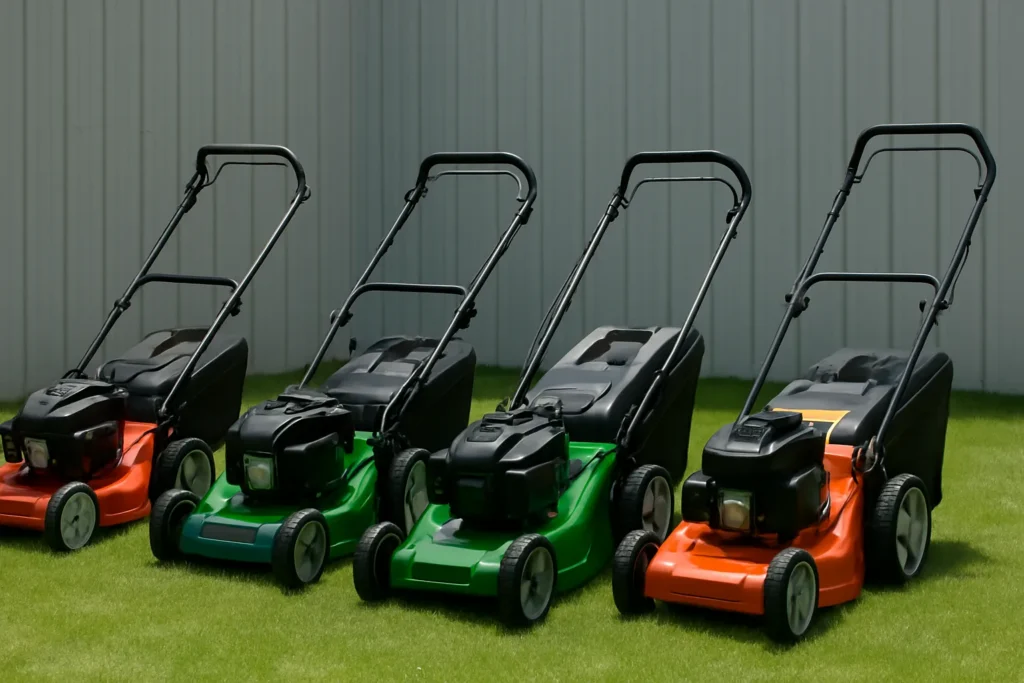
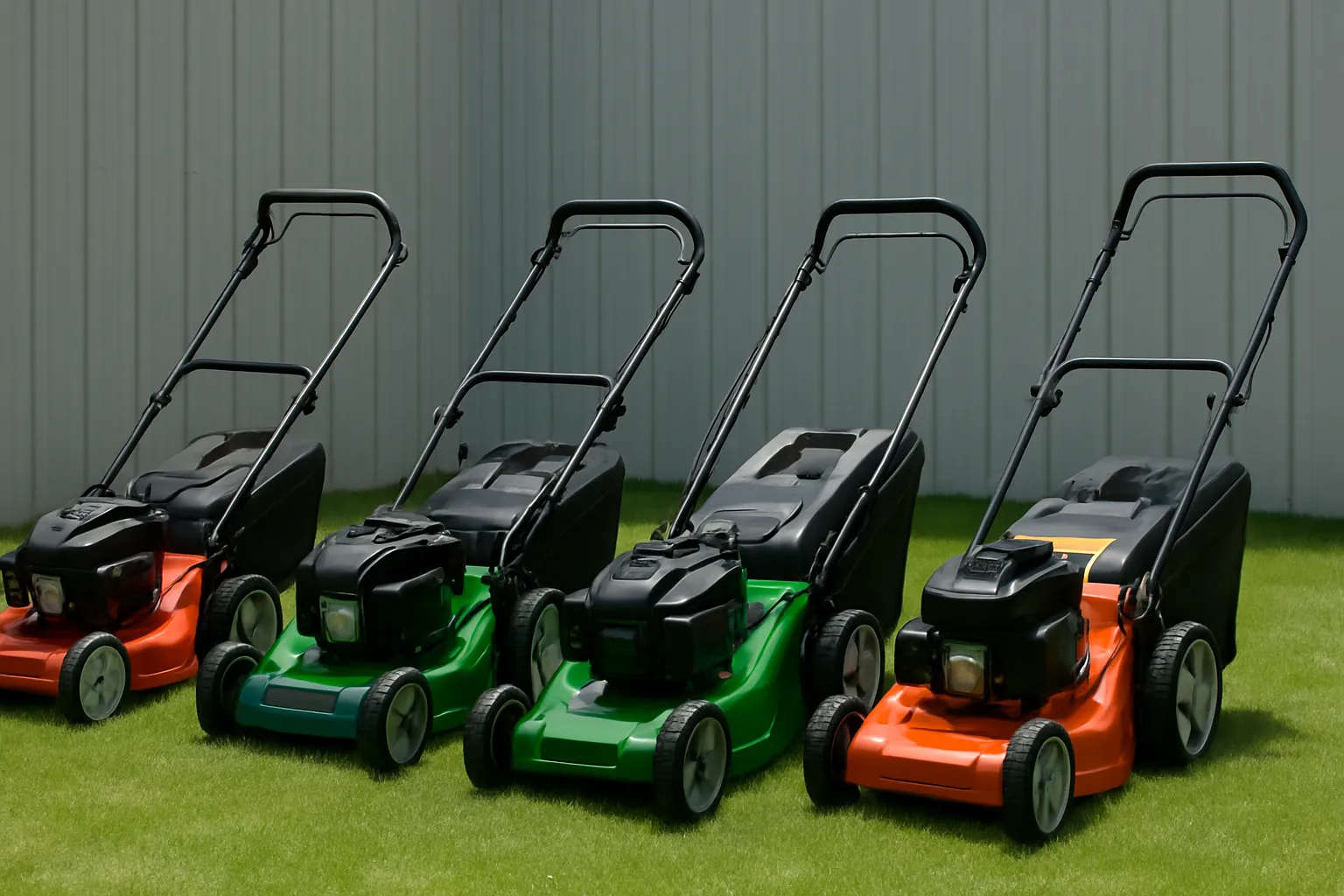
Essential Guide to Bulk Purchasing Lawn Mowers for Landscape Pros
Selecting the right lawn mower is essential for landscape professionals who strive to provide top-notch services to their clients. The efficiency and effectiveness of lawn maintenance can significantly influence customer satisfaction and the overall reputation of a business.
For companies looking to equip their teams with multiple units, bulk purchasing landscaping equipment, including lawn mowers, presents several advantages. Not only can it lead to considerable cost savings, but it also guarantees consistency in equipment performance and quality across all projects.
In my experience, this guide will help landscape professionals navigate the complexities involved in choosing the right lawn mower for bulk purchases.
Key Specifications to Consider
When it comes to selecting lawn mowers for bulk purchase, several key specifications should be prioritized in your decision-making process.
– **Engine Power and Efficiency**: The engine power of a lawn mower directly impacts its performance. For larger properties or commercial applications, a mower with a robust engine is crucial for efficiently handling tough grass and uneven terrain. I believe it’s important to look for models that offer a good balance between power and fuel efficiency to minimize operational costs.
– **Cutting Width and Height Adjustability**: The cutting width determines how much grass can be cut in a single pass, which is vital for efficiency, especially in expansive areas. Furthermore, height adjustability provides versatility in mowing various types of grass and adapting to seasonal growth patterns.
– **Durability and Build Quality**: Given the investment involved in bulk purchasing, it is essential to select mowers made from high-quality materials. Durable mowers reduce the frequency of repairs and replacements, ensuring your fleet remains operational longer.
Use Cases for Different Lawn Mowers
Understanding the intended use of the lawn mowers plays a significant role in influencing your purchasing decision.
– **Residential vs. Commercial Applications**: Residential mowers are typically designed for smaller lawns and may not withstand the demands of commercial usage. For landscape professionals, investing in commercial-grade mowers is advisable, as they are built for higher performance and longevity.
– **Terrain Considerations**: The type of terrain you will be working on is another critical factor. Hilly or uneven landscapes may require specialized mowers that provide better traction and stability.
– **Seasonal Usage Patterns**: Different seasons can affect grass growth and mowing frequency. It’s wise to consider mowers that can handle varying grass conditions, whether it’s thick spring growth or dry summer lawns.
Comparing Lawn Mower Types
The market presents a variety of lawn mower types, each tailored for different needs.
– **Gas vs. Electric Mowers**: Gas mowers are often favored for their power and range, making them suitable for larger jobs. However, electric mowers are gaining popularity due to their lower emissions, quieter operation, and reduced maintenance requirements. Evaluate your operational needs and environmental considerations when choosing between the two.
– **Push vs. Riding Mowers**: Push mowers are ideal for smaller areas and offer better maneuverability. In contrast, riding mowers are designed for larger properties, providing comfort and efficiency for extensive mowing tasks.
– **Specialty Mowers for Unique Landscapes**: For specific landscaping needs, such as mulching or mowing in tight spaces, consider specialty mowers. These can enhance your service offerings and cater to diverse client requirements.
Sourcing Lawn Mowers for Bulk Purchase
Finding the right suppliers and negotiating favorable terms is crucial when sourcing lawn mowers in bulk.
– **Finding Reliable Suppliers**: Research and identify suppliers with a solid reputation in the landscaping equipment market. Look for those specializing in bulk sales and possessing positive customer feedback.
– **Evaluating Pricing and Discounts**: Bulk purchasing often comes with significant discounts. Ensure you compare prices across multiple suppliers and inquire about any bulk purchase incentives they may provide.
– **Understanding Warranty and Support Options**: A comprehensive warranty and reliable customer support are essential when investing in multiple units. Confirm the warranty terms and the availability of service centers to keep your equipment in top condition.
Implementation and Maintenance
Once you have procured your lawn mowers, effective implementation and maintenance practices are vital.
– **Training Staff on Equipment Use**: Proper training ensures that your team can operate the mowers safely and efficiently. This not only maximizes equipment lifespan but also minimizes the risk of accidents.
– **Regular Maintenance Practices**: Establish a routine maintenance schedule to keep the mowers in good working order. This includes regular oil changes, blade sharpening, and inspections for wear and tear. For further guidance on maintenance, refer to The Complete Guide to Lawn Mower Oil Selection.
– **Troubleshooting Common Issues**: Familiarize your team with common mower issues and their solutions. Quick troubleshooting can prevent minor problems from escalating into costly repairs or downtime.
Frequently Asked Questions
– **What is the best lawn mower for large properties?**: For large properties, commercial-grade riding mowers with wide cutting decks and powerful engines are generally the best choice.
– **How to negotiate bulk purchase deals?**: Approach suppliers with a clear understanding of your needs and budget. Don’t hesitate to ask for volume discounts or additional services.
– **What are the financing options available?**: Many suppliers offer financing options for bulk purchases, including leasing and installment plans. Explore these options to find a solution that fits your cash flow needs.
In conclusion, selecting the right lawn mower for bulk purchase is a multifaceted process that requires careful consideration of specifications, use cases, and supplier relationships. By investing time in this decision, landscape professionals can enhance their operational efficiency and service quality, ultimately leading to greater customer satisfaction and business growth. For more insights, check out this industry reference.