
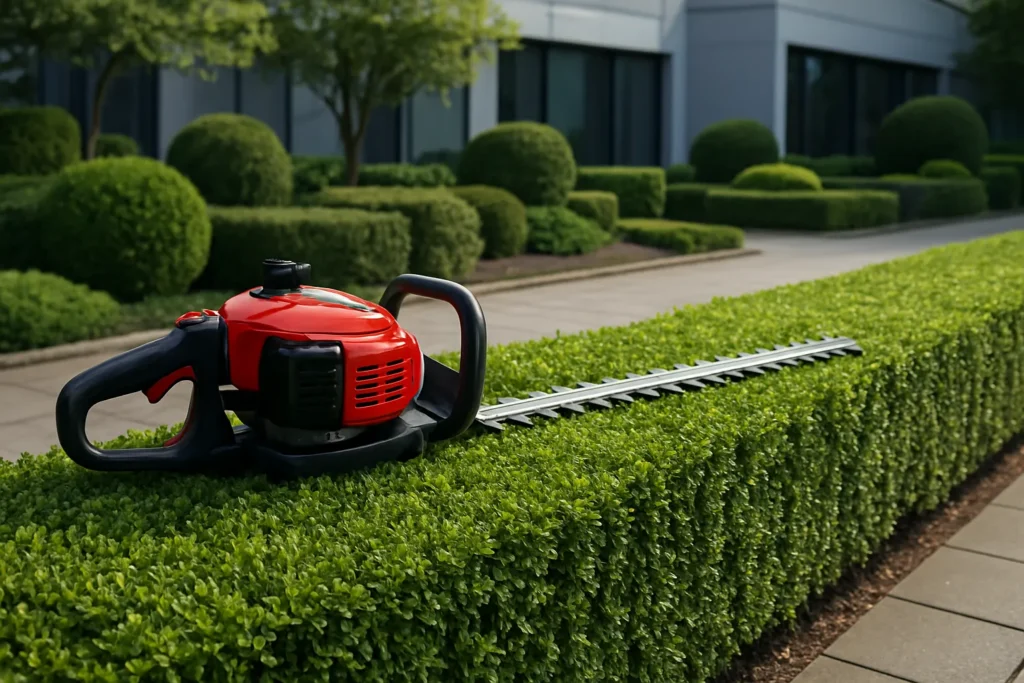
The Ultimate Guide to Hedge Trimmers for Commercial Landscaping
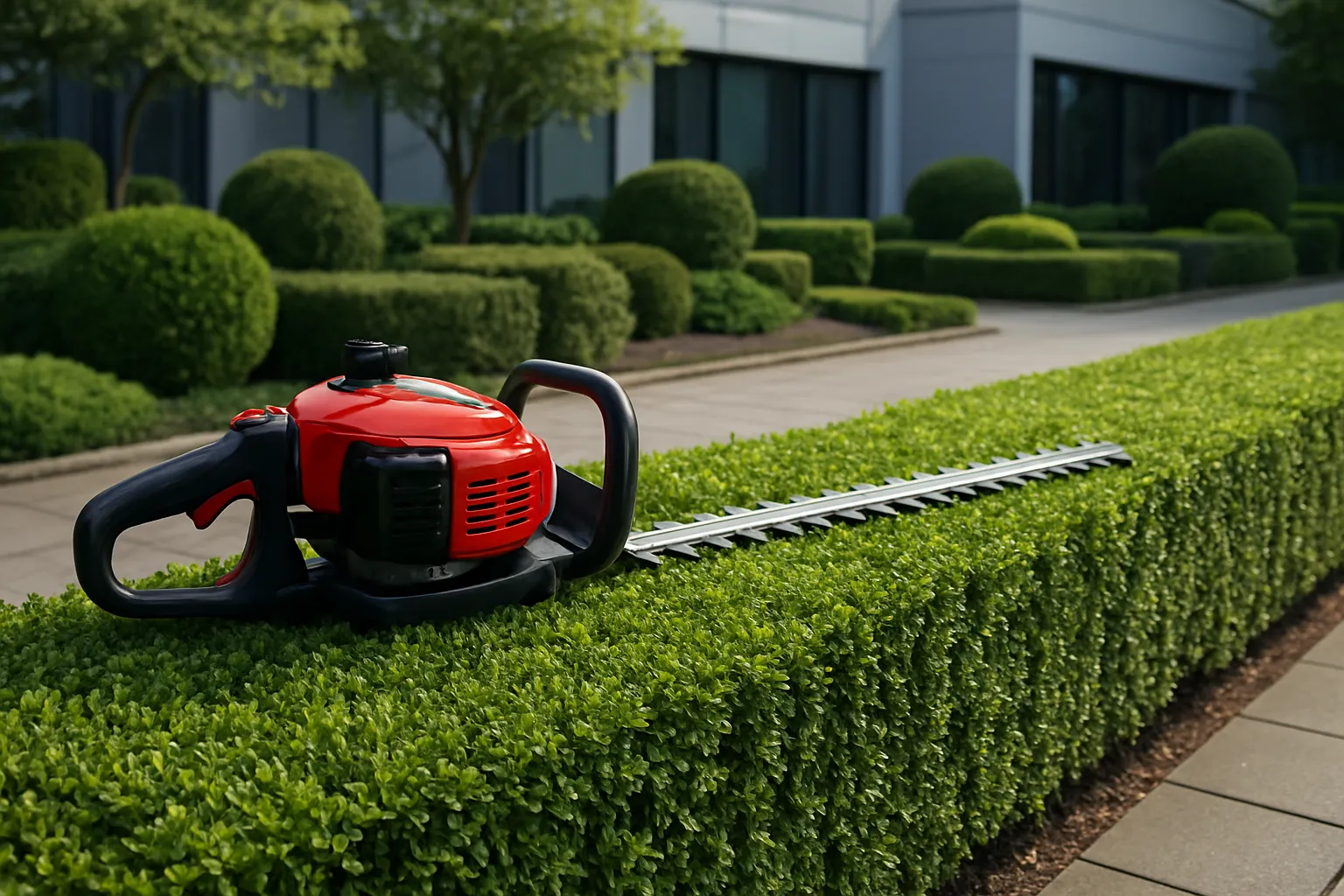
Hedge trimmers are vital tools for landscaping professionals, especially in commercial settings. They are essential for maintaining the beauty and health of outdoor spaces, enabling landscapers to achieve clean, precise cuts on hedges, shrubs, and ornamental plants. In my experience, having the right hedge trimmers can dramatically improve productivity and the quality of results delivered to clients.
Commercial landscaping often presents more demanding requirements than residential projects. Professionals need to consider various factors such as efficiency, durability, and versatility when selecting their tools. Hedge trimmers, being among the most frequently used equipment in the industry, require thoughtful selection to ensure they meet these high standards.
Types of Hedge Trimmers
There are three main types of hedge trimmers, each offering unique advantages and suitable applications:
- Electric Hedge Trimmers: Ideal for smaller jobs or areas where noise is a concern. These lightweight tools are easy to handle and require minimal maintenance. Electric trimmers are perfect for commercial landscapers working in residential neighborhoods or quiet public spaces.
- Gas-Powered Hedge Trimmers: For larger, more demanding tasks, gas-powered trimmers deliver the power and runtime necessary to tackle thick, overgrown hedges. They are robust and can withstand extensive use without the limitations of cords or battery life, making them a top choice for commercial landscapers.
- Battery-Powered Hedge Trimmers: With advancements in battery technology, these models are gaining popularity. They offer the convenience of cordless operation while providing sufficient power for most landscaping tasks. Battery-powered trimmers are an excellent option for businesses aiming to reduce their carbon footprint without sacrificing performance.
Key Specifications to Consider
When selecting hedge trimmers for commercial landscaping, several specifications are critical:
- Blade Length and Type: The blade length significantly affects the trimmer’s efficiency. Longer blades can cover more area but may be harder to control, while shorter blades offer precision. Additionally, the type of blade—double-sided or single-sided—can influence cutting efficiency and ease of use.
- Weight and Ergonomics: Given that hedge trimming can involve extended periods of use, the weight and ergonomic design of the tool are essential. A lighter trimmer can reduce fatigue, while ergonomic handles enhance comfort and control.
- Power and Runtime: For gas and battery-powered models, the power output and runtime are crucial. Landscapers should seek trimmers that provide enough power to handle their typical workload and batteries that can last through a full day of work without frequent recharging.
Use Cases for Commercial Landscaping
Hedge trimmers serve various purposes in commercial landscaping:
- Maintenance of Hedges and Shrubs: Regular trimming is vital for the health of hedges and shrubs, promoting growth and preventing disease. Hedge trimmers are essential for maintaining a professional appearance in commercial properties.
- Design and Aesthetic Applications: Beyond maintenance, hedge trimmers are used to shape hedges and create intricate designs that enhance the visual appeal of landscapes. This is particularly important for businesses aiming to attract customers through well-maintained outdoor spaces.
- Seasonal Considerations: Depending on the season, the type of trimming required may vary. Hedge trimmers are crucial tools for seasonal clean-ups, ensuring properties remain attractive throughout the year.
Comparing Hedge Trimmer Brands
When investing in hedge trimmers, comparing brands is essential to find the best fit for your commercial landscaping needs:
- Leading Brands in the Market: Brands like Stihl, Husqvarna, and Echo are known for their quality and reliability. Each brand offers a range of models suited for different landscaping tasks.
- Performance and Reliability Comparisons: It’s important to evaluate the performance of different models through user reviews and expert recommendations. Reliability is critical in a commercial setting, where downtime can lead to lost revenue.
- Price Range Analysis: Hedge trimmers can vary significantly in price. While it’s tempting to choose the cheapest option, investing in a higher-quality tool can result in long-term savings through reduced maintenance and increased efficiency.
Sourcing Hedge Trimmers
Finding the right hedge trimmers involves understanding where to purchase them and evaluating suppliers:
- Where to Buy Hedge Trimmers: Hedge trimmers can be sourced from specialized landscaping equipment suppliers, online retailers, or local hardware stores. Each option has its advantages and disadvantages.
- Evaluating Suppliers and Distributors: It’s crucial to select suppliers that offer reliable products and excellent customer service. Look for suppliers that provide warranties and support for commercial purchases.
- Lease vs. Purchase Considerations: For some businesses, leasing hedge trimmers may be more cost-effective than purchasing them outright. This option can provide access to the latest models without the upfront costs.
Implementation and Best Practices
Once hedge trimmers are sourced, implementing best practices is vital for safety and efficiency:
- Safety Tips for Using Hedge Trimmers: Always wear appropriate safety gear, including gloves, goggles, and ear protection. Familiarize staff with safe operating procedures to minimize the risk of accidents.
- Maintenance and Care: Regular maintenance, such as cleaning blades and checking for wear, is essential for keeping hedge trimmers in optimal condition. Scheduled servicing can prolong the lifespan of the tools.
- Training for Staff: Providing adequate training for staff on how to use hedge trimmers safely and effectively can enhance productivity and reduce the likelihood of accidents.
Frequently Asked Questions (FAQs)
- What is the best hedge trimmer for commercial use? The best hedge trimmer for commercial use depends on specific needs; however, gas-powered models are often preferred for their power and endurance.
- How often should hedge trimmers be serviced? Hedge trimmers should be serviced regularly, ideally after every major season of use, to ensure they operate efficiently.
- What safety gear is recommended? Recommended safety gear includes gloves, protective eyewear, ear protection, and appropriate footwear.
Conclusion
Investing in the right hedge trimmers is vital for any commercial landscaping business. By understanding the various types available, their specifications, and applications, professionals can make informed decisions. Additionally, considering the best brands, sourcing options, and implementing best practices will help landscaping professionals enhance their service offerings and ensure their tools remain effective for years to come. For high-quality tools, check out Professional Garden Tools – Quality Assured | Luosi Garden.