
Essential Garden Maintenance Tools for Landscape Contractors
Introduction to Garden Maintenance Tools
In landscaping, having the right tools can truly transform the outcome of a project. As a landscape contractor, investing in top-notch garden maintenance tools is not just about efficiency; it’s about delivering quality work that meets or exceeds client expectations. Quality tools empower contractors to handle a variety of tasks—from planting and pruning to mowing and mulching—ensuring that every project adheres to professional standards.
Let’s delve into the essential garden maintenance tools every landscape contractor should consider. We’ll categorize them into hand tools, power tools, and safety equipment. By understanding these tools and their specifications, contractors can make informed choices, leading to successful landscaping projects.
Key Categories of Garden Maintenance Tools
Hand Tools
Hand tools form the backbone of any landscape contractor’s toolkit. They are vital for precision work and often offer more versatility than power tools. Common hand tools include:
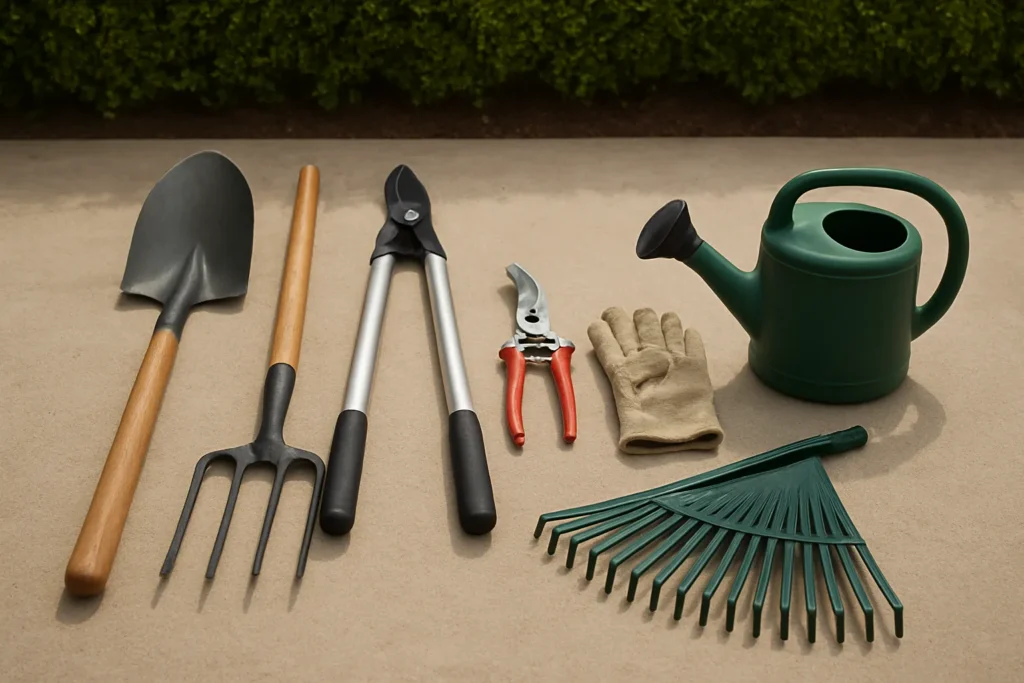
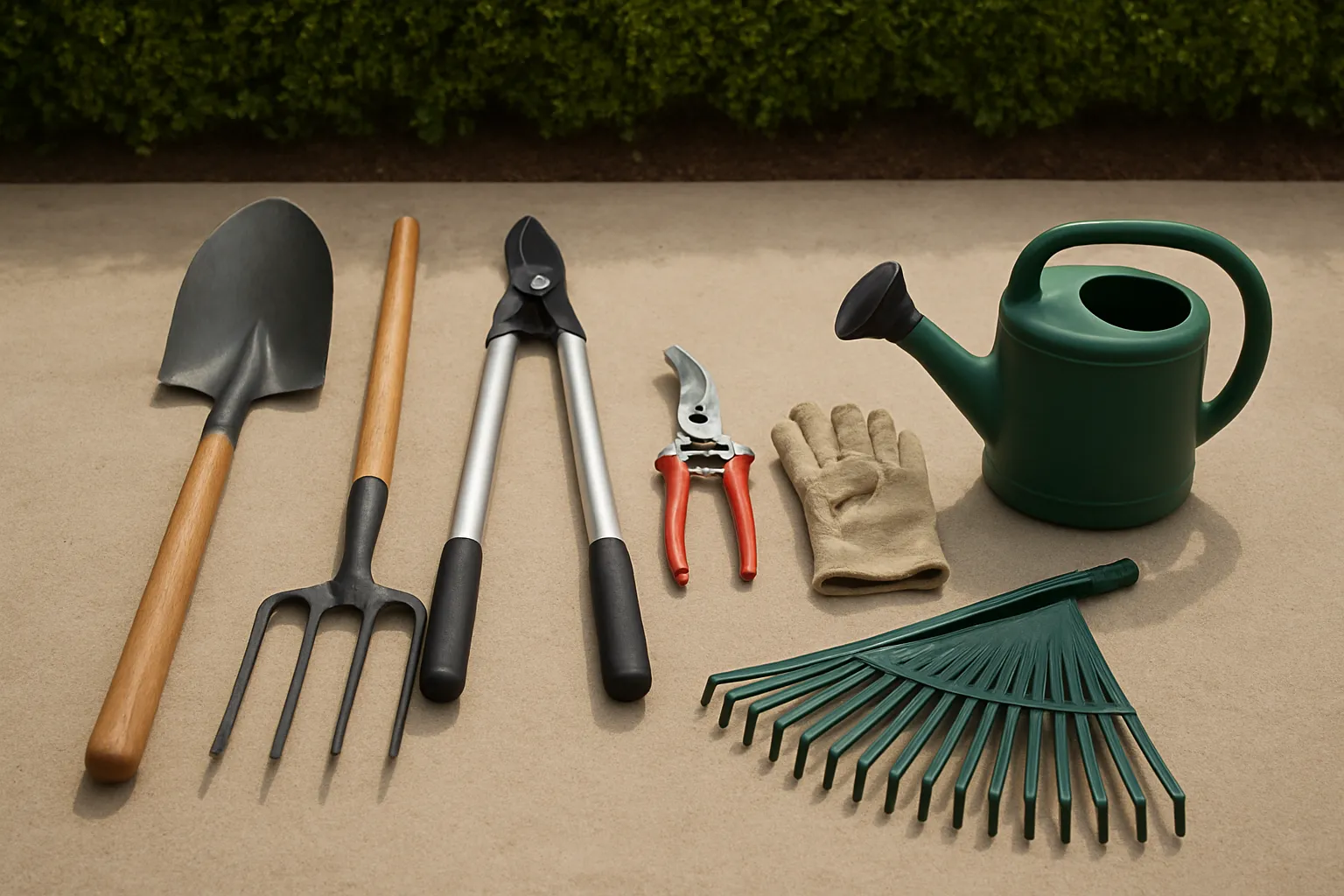
- Pruners and Shears: Perfect for trimming plants and shaping hedges.
- Trowels and Hand Forks: Ideal for digging, planting, and weeding.
- Rakes and Hoes: Essential for preparing soil and maintaining garden beds.
These tools are generally lightweight and easy to handle, providing the necessary control for detailed tasks.
Power Tools
Power tools can significantly boost productivity and efficiency in landscaping tasks. Some key power tools include:
- Lawn Mowers: Essential for maintaining grass at the desired height.
- String Trimmers: Great for edging and trimming around obstacles.
- Blowers: Useful for clearing debris from pathways and driveways.
Investing in reliable power tools can save landscape contractors time and labor costs, making them a crucial part of any commercial landscaping toolkit.
Safety Equipment
Safety is paramount in landscaping. Essential safety equipment includes:
- Gloves: Protect your hands from cuts and abrasions.
- Safety Glasses: Shield your eyes from debris when using power tools.
- Ear Protection: Necessary when operating loud equipment like mowers and blowers.
Prioritizing safety ensures a secure working environment for contractors and their teams.
Specifications to Consider
Durability and Material
Opt for tools made from high-quality materials like stainless steel or heavy-duty plastic. Durable tools can withstand wear and tear, reducing the need for frequent replacements.
Ergonomics and Comfort
Landscaping can be physically demanding, so ergonomically designed tools are crucial. Look for tools with comfortable grips and balanced weights to minimize strain and fatigue during long hours of work.
Power Source Options
For power tools, consider the power source—electric, battery-operated, or gas-powered. Each option has its pros and cons, so it’s essential to choose based on the specific needs of your projects and the environments in which you work.
Use Cases for Landscape Contractors
Residential Landscaping
In residential settings, contractors often require a mix of hand and power tools for tasks such as garden bed preparation, lawn maintenance, and plant care. Precision is key, making hand tools particularly valuable.
Commercial Landscaping
For larger commercial projects, power tools can significantly enhance efficiency. Mowers, blowers, and trimmers are essential for maintaining expansive green spaces and ensuring a polished appearance.
Seasonal Maintenance
Seasonal changes dictate different tool requirements. For example, fall may necessitate leaf blowers and rakes, while spring calls for planting tools and fertilizers. Being aware of these seasonal needs helps contractors prepare effectively.
Comparing Popular Garden Maintenance Tools
Hand Tools vs. Power Tools
While hand tools offer precision and control, power tools provide speed and efficiency. The choice between the two often hinges on the specific task and the scale of the project.
Budget-Friendly Options vs. Premium Tools
Budget-friendly tools may appeal to startups, but investing in premium tools usually pays off in durability and performance. Contractors should assess their long-term needs when making purchasing decisions.
Brand Comparisons
Brands vary in reputation and quality. Researching and comparing brands can help contractors find reliable tools that align with their budget and performance expectations.
Sourcing Garden Maintenance Tools
Where to Buy
Garden maintenance tools can be sourced from various outlets, including hardware stores, specialized garden centers, and online retailers. Each option has its advantages, from immediate availability to a wider selection.
Online vs. Local Suppliers
While online shopping offers convenience, local suppliers provide personalized service and immediate access to tools. Contractors should weigh these factors when deciding where to purchase.
Evaluating Supplier Reliability
Choosing a dependable supplier is crucial for maintaining a consistent inventory of tools. Look for suppliers with positive customer reviews, favorable return policies, and warranties.
Implementing Tools in Daily Operations
Training Staff on Tool Use
Proper training is essential for maximizing the efficiency and safety of garden maintenance tools. Ensure all staff members are well-versed in using tools correctly and safely.
Maintenance and Care of Tools
Regular maintenance, including cleaning and sharpening, extends the life of tools. Implementing a routine care schedule keeps equipment in optimal condition.
Scheduling Tool Usage
To maximize productivity, create a schedule for tool usage that aligns with project timelines. This ensures that tools are available when needed and reduces downtime.
Frequently Asked Questions
What are the must-have tools for beginners?
Beginners should start with basic hand tools such as pruners, trowels, and rakes, along with a reliable lawn mower.
How to choose the right tool for specific tasks?
Consider the task requirements, including the job’s scale and the level of precision needed. Researching tool specifications can guide your selection.
What are the best practices for tool maintenance?
Regularly clean tools after use, store them in a dry place, and perform routine checks for wear and tear to prolong their lifespan.
Conclusion
Equipping your landscaping business with the right garden maintenance tools is vital for delivering quality service and ensuring efficient operations. By understanding the various categories of tools, their specifications, and best practices for sourcing and maintenance, landscape contractors can enhance their productivity and service quality. Investing in the right tools not only facilitates better results but also positions contractors for long-term success in the competitive landscaping industry. For more in-depth information, refer to this industry reference on garden maintenance tools.