
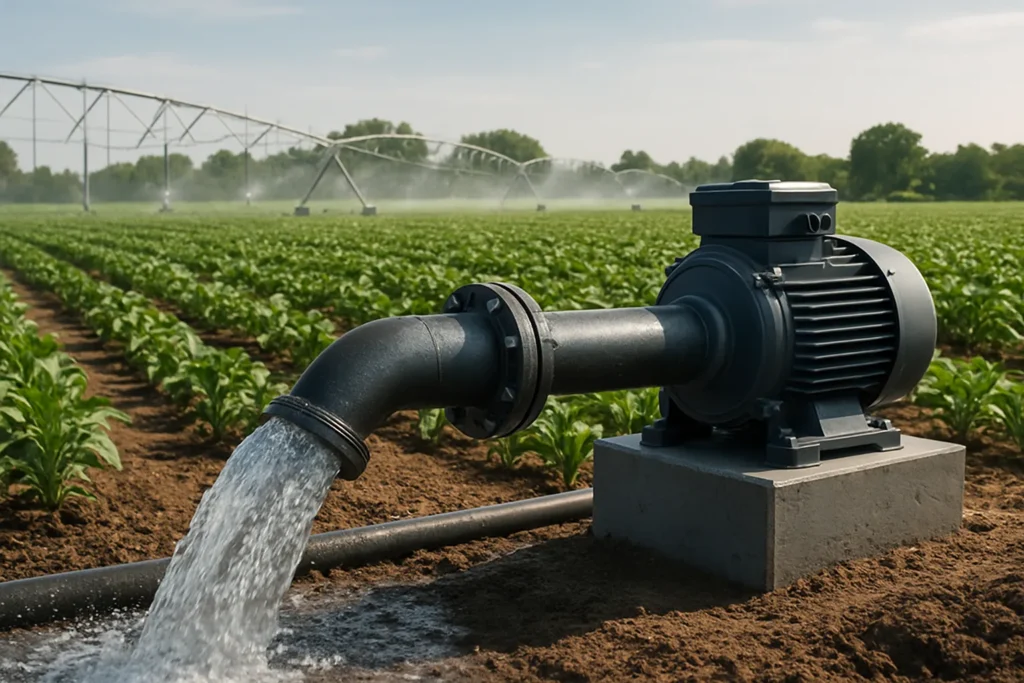
Innovative Water Pumps for Large-Scale Gardening and Sustainability
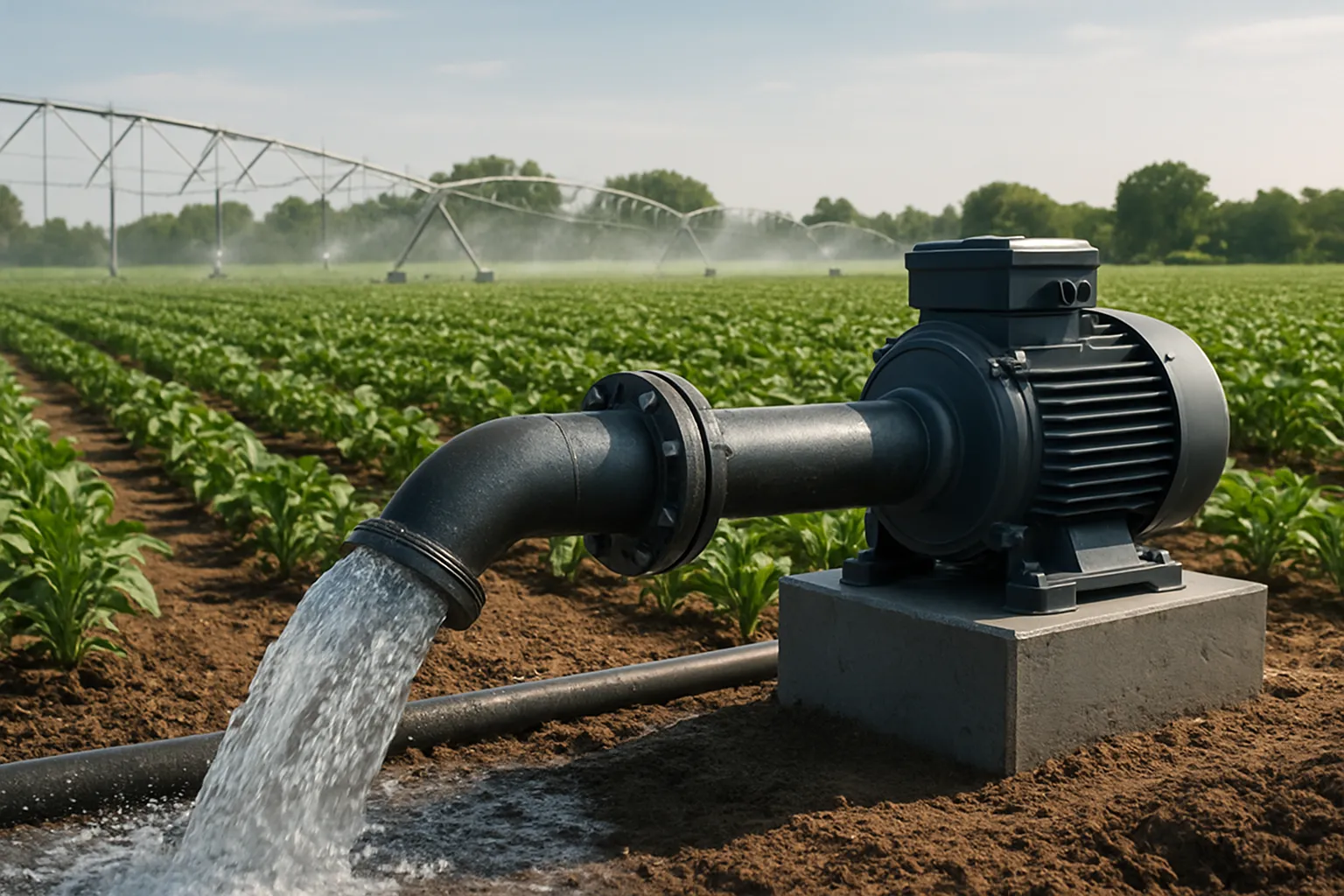
Water pumps play a crucial role in large-scale gardening, serving as the backbone of irrigation systems and ensuring plants receive the necessary moisture to flourish. With the evolution of water pump technology, innovative solutions have emerged that not only enhance efficiency but also promote sustainable gardening practices. As food production demands escalate, grasping the significance of these tools becomes essential for growers eager to boost their yields while minimizing resource waste.
Key Specifications of Modern Water Pumps
When selecting water pumps for large-scale gardening, several key specifications warrant careful evaluation:
Flow Rate and Pressure
The flow rate, typically measured in gallons per minute (GPM), is vital for determining how quickly water can be supplied to your plants. High-pressure capabilities are equally important, especially in setups that require water to reach elevated areas or travel long distances. Choosing a pump with the right flow rate and pressure ensures optimal irrigation coverage, which can lead to healthier plants and boosted productivity.
Energy Efficiency
Energy efficiency is another critical consideration when selecting water pumps. Modern designs focus on consuming less electricity, which can significantly lower operational costs over time. In my experience, investing in energy-efficient models not only benefits the environment but also enhances the overall sustainability of large-scale gardening operations. For further insights on energy-efficient garden equipment, check out our article on Gas vs. Cordless Lawn Mowers.
Durability and Material Quality
Durability is vital for the longevity and performance of any water pump. Pumps made from high-quality materials, like stainless steel or reinforced thermoplastics, can withstand harsh environmental conditions and minimize the need for frequent replacements. This consideration is particularly critical for large-scale operations, where downtime can lead to significant financial losses.
Use Cases for Water Pumps in Large-Scale Gardening
Water pumps serve a variety of functions in large-scale gardening, enhancing both productivity and efficiency:
Irrigation Systems
One of the primary uses of water pumps is in irrigation systems. These pumps facilitate the distribution of water across expansive areas, ensuring that crops receive consistent moisture. Whether using drip irrigation or sprinkler systems, a reliable water pump is essential for maintaining optimal soil conditions.
Fertilizer and Pesticide Application
Water pumps are also key in the application of fertilizers and pesticides. By integrating pumps with injection systems, growers can efficiently deliver nutrients and protectants directly to plants, maximizing absorption and minimizing waste. This targeted approach not only enhances crop health but also promotes responsible chemical usage.
Water Recycling Solutions
With sustainability becoming increasingly vital, water recycling solutions are gaining traction in large-scale gardening. Water pumps can be utilized to reclaim and redistribute runoff and drainage water, effectively reducing overall water consumption and lowering costs. Implementing such systems showcases a commitment to environmental stewardship while optimizing resource use. For more information on sustainable practices, visit this industry reference.
Comparing Different Types of Water Pumps
Choosing the right type of water pump is essential for operational efficiency. Here’s a comparison of popular options:
Submersible vs. Surface Pumps
Submersible pumps are designed to operate underwater, making them ideal for deep wells or ponds. They tend to be more efficient and quieter than surface pumps. On the other hand, surface pumps are easier to maintain and are better suited for shallow water sources. The choice between the two largely depends on the specific needs of the gardening operation.
Electric vs. Gas-Powered Pumps
Electric pumps are often preferred for their energy efficiency and low maintenance needs. However, gas-powered pumps provide greater mobility and are typically more powerful, making them suitable for remote locations lacking electrical access. Evaluating the operational context will help determine which power source aligns best with your gardening requirements.
Cost-Benefit Analysis
Conducting a cost-benefit analysis is crucial when selecting water pumps. Although initial costs can vary, considering long-term operational expenses, maintenance, and energy consumption will give a clearer picture of the investment’s value. Opting for quality pumps may incur higher upfront costs, but they can yield substantial savings over time.
Sourcing Water Pumps for B2B Buyers
For B2B buyers, sourcing reliable water pumps involves several critical steps:
Identifying Reliable Suppliers
Finding reputable suppliers is paramount. Conducting thorough research, reading customer reviews, and seeking recommendations can help identify manufacturers known for their quality and reliability.
Evaluating Product Quality
Before making a purchase, it’s essential to evaluate the quality of the water pumps. Requesting product specifications, certifications, and warranty information can provide insights into the durability and performance of the pumps.
Negotiating Bulk Purchase Agreements
When sourcing water pumps for large-scale operations, negotiating bulk purchase agreements can lead to substantial cost savings. Suppliers may offer discounts for larger orders, enabling businesses to optimize their budgets while ensuring they have the necessary equipment for their gardening needs.
Implementation Strategies for Water Pumps
Successfully implementing water pumps requires careful planning and execution:
Installation Best Practices
Proper installation is crucial for optimal performance. Adhering to manufacturer guidelines and consulting with professionals can ensure that pumps are set up correctly, minimizing the risk of malfunctions.
Maintenance and Troubleshooting
Regular maintenance is essential to keep water pumps operating efficiently. Establishing a routine for inspections and servicing can prevent unexpected breakdowns and prolong the lifespan of the equipment.
Integration with Existing Garden Equipment
Integrating new water pumps with existing garden equipment should be approached thoughtfully. Ensuring compatibility with current systems can enhance efficiency and streamline operations.
Frequently Asked Questions
Common Concerns About Water Pumps
Many growers express concerns about the reliability and efficiency of water pumps. Addressing these concerns through education and access to quality products can help alleviate doubts.
Best Practices for Usage
Implementing best practices for water pump usage, such as monitoring flow rates and regularly checking for leaks, can enhance performance and reduce waste.
Warranty and Support Options
Understanding warranty and support options is vital for B2B buyers. Ensuring that suppliers offer comprehensive warranties and responsive customer support can provide peace of mind and safeguard your investment.
Conclusion
Innovative water pumps are indeed game changers for large-scale gardening, offering efficiency, sustainability, and enhanced productivity. By understanding their specifications, applications, and sourcing strategies, growers can make informed decisions that positively impact their operations. I believe that investing in the right water pump not only supports the health of your plants but also contributes to a more sustainable future in agriculture.